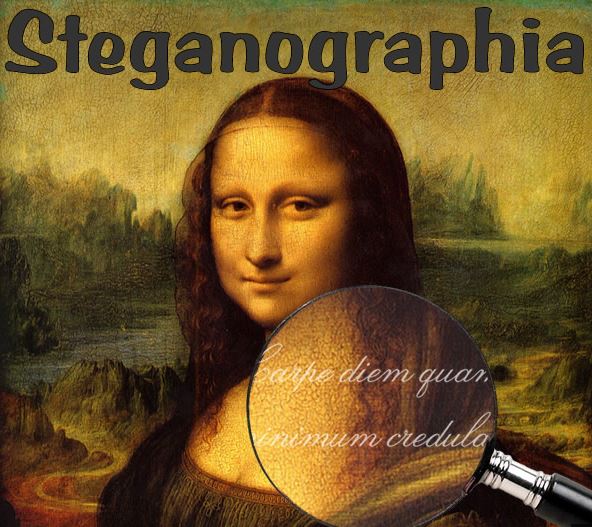
Steganography is a technique that enables you to hide information by concealing it within an image. With the help of technology, you can use various ways to hide secret messages. One of the most simple and effective methods is by tweaking the least significant bit of each pixel to conceal text within an image. This method is discussed in detail in this post, along with its applications and considerations for implementation and detection.
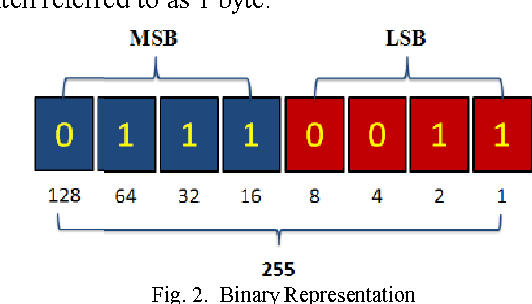
Digital images comprise pixels, with each pixel represented by a combination of bits that define its color intensity across the RGB spectrum. By altering the least significant bit, the bit with the lowest value in each color channel of a pixel, information can be hidden without changing the image too much. This technique works because the human eye cannot detect minor adjustments in the pixel’s color value, which is what the least significant bit alteration represents.
Concealing information within an image involves converting the text message into binary format and embedding each bit into the least significant bit of each pixel throughout the image. Here’s a simplified breakdown: First, the text message is converted into binary. Then, an image is selected as the carrier, and the size of the image determines how much text can be hidden. Beginning from a predetermined point in the image, each bit of the binary message replaces the least significant bit of the pixel’s color value until the entire message is hidden. Finally, a special sequence of bits is often added at the end of the message to indicate its conclusion, thus allowing the decoder to know when to stop.
Steganography has a variety of applications, including digital rights management, secure communications, and watermarking to protect intellectual property. However, it can also be used for illicit purposes, such as data exfiltration or the spread of malware.