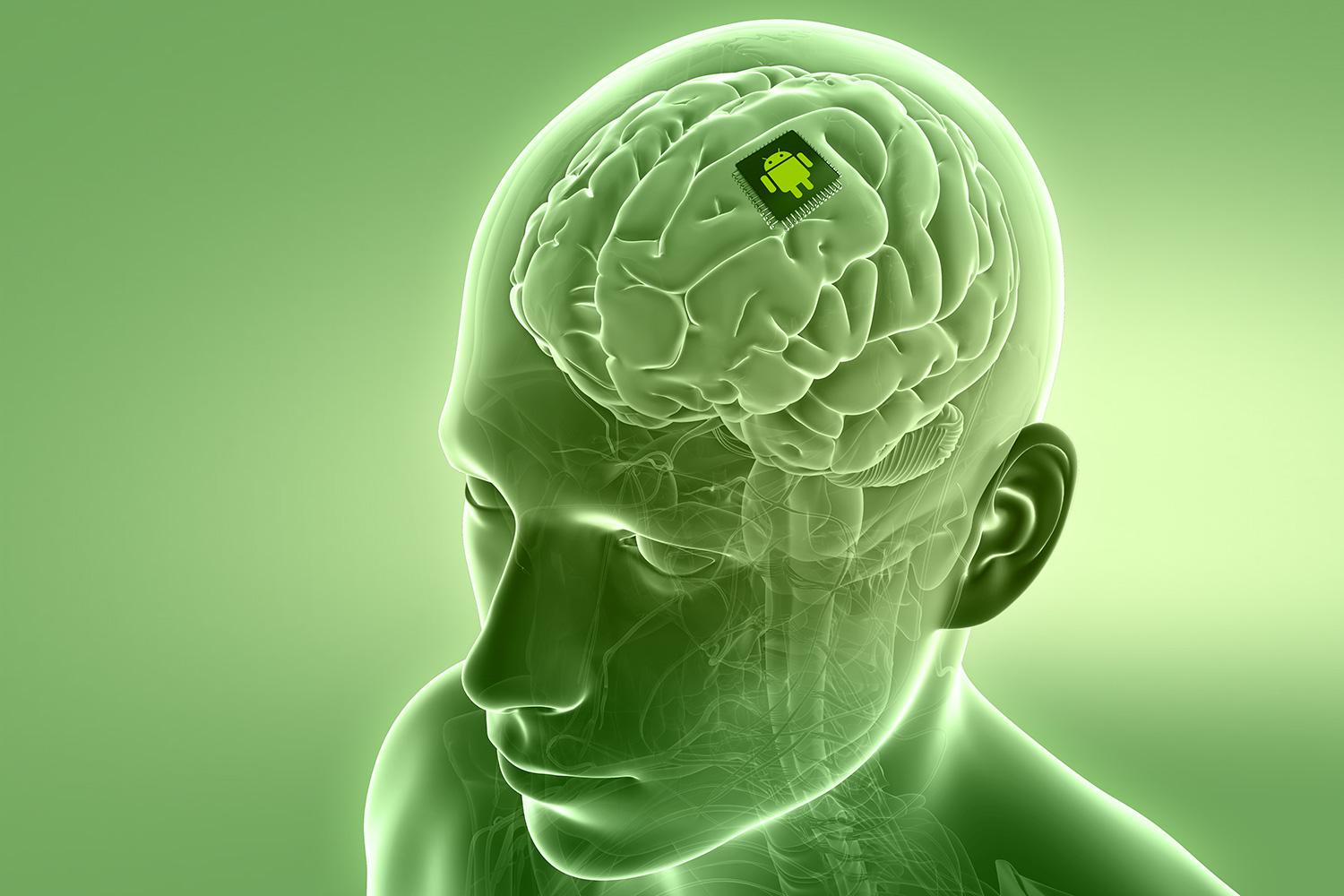
Whenever someone brings up Neuralink to me, the first thing that comes to mind (pun intended) is the security risk that comes with it. As a cybersecurity major here at RWU, I’ve learned that nothing is truly secure. There is always a way for hackers or attackers to infiltrate a network or computer. So when I hear about essentially putting a computer in our brains, I can’t help but wonder how quickly someone could find an exploit and gain access to the most intimate parts of our minds. With Neuralink, the potential for privacy breaches is staggering. Imagine a scenario where your deepest fears, wildest dreams, and most private thoughts are laid bare for cybercriminals to exploit. It’s a chilling prospect, reminiscent of a dystopian sci-fi novel where privacy is a luxury of the past. And it doesn’t stop there. The idea of mind hacks, where someone could hijack your Neuralink implant and manipulate your thoughts and actions without your consent, is downright terrifying. It’s the stuff of nightmares, and certainly not the kind of future any of us want to live in.
Credit: Chatgpt